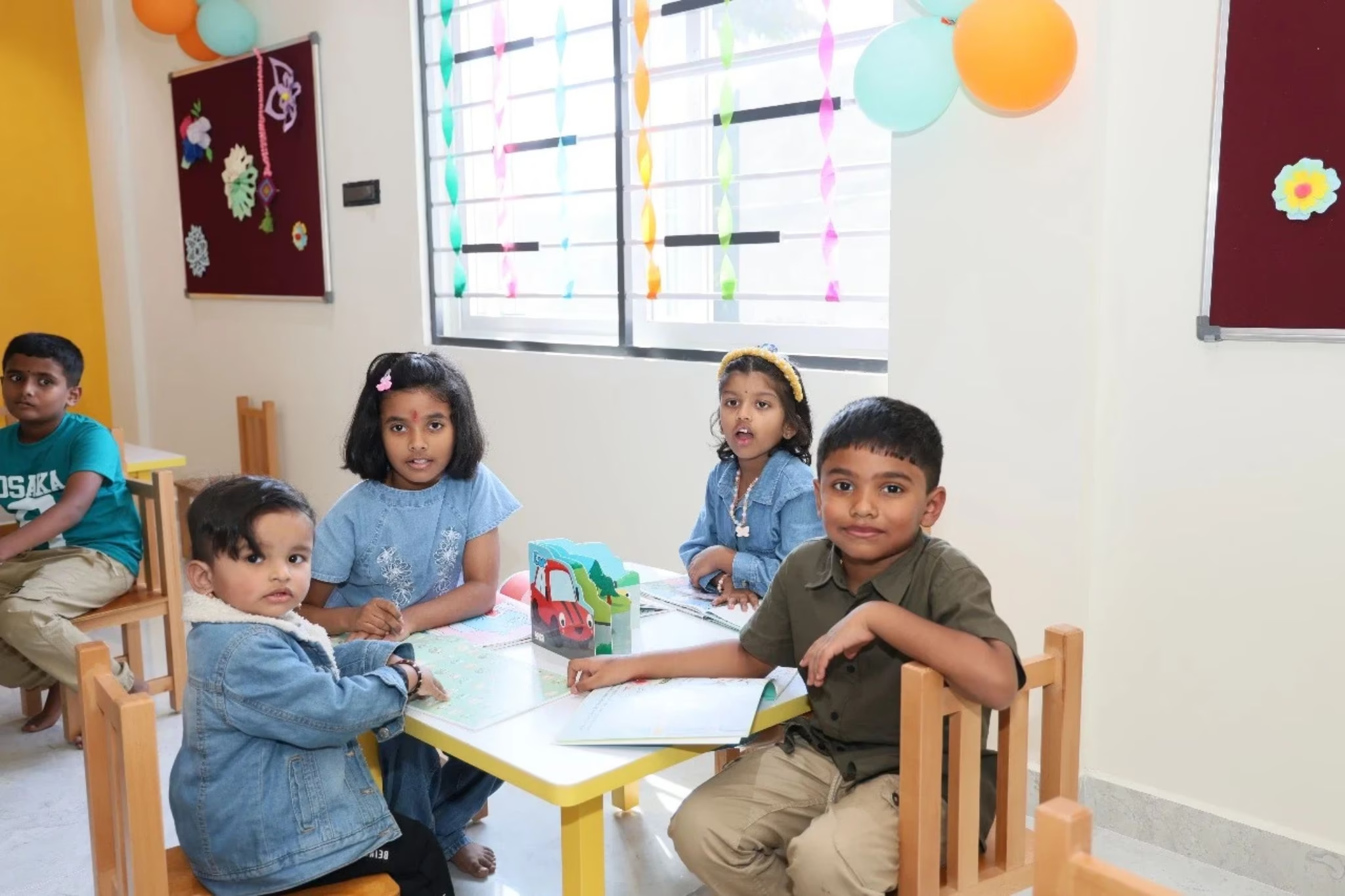

Choosing a preschool is one of the most important decisions you will make as a parent. In a city like Bangalore—where early childhood education options are abundant and diverse—the decision can feel overwhelming. From curriculum choices to safety standards, teacher quality to location, every factor matters in shaping your child’s first learning experience.
If you are a parent exploring options in North Bangalore, especially around K Narayanapura and Kothanur, this 2026 guide will help you understand how to choose preschool that truly aligns with your child’s needs and your expectations.
1. Understand Your Child’s Needs First
Before comparing preschools, take a step back and assess your child.
Ask yourself:
- Is my child shy or socially confident?
- Do they need more emotional support or structured learning?
- Are they comfortable being away from home for a few hours?
Some children thrive in play-based environments, while others enjoy gentle structure and routine. The right preschool adapts to children rather than forcing children to adapt to systems.
2. Curriculum Matters – But Balance Is Key
Bangalore preschools follow various approaches such as:
- Play-based learning
- Montessori-inspired methods
- EYFS / Cambridge Early Years frameworks
- Activity-based or theme-based curriculums
In 2026, parents should look beyond fancy terminology. A good curriculum:
- Encourages curiosity and exploration
- Builds early literacy and numeracy naturally
- Focuses on social, emotional, and motor development
Avoid preschools that push formal academics too early. At ages 2–6, learning should be joyful, experiential, and pressure-free.
3. Teacher Quality and Child-Teacher Ratio
Teachers are the heart of any preschool.
When evaluating schools, observe:
- How teachers speak to children
- Whether they get down to the child’s eye level
- Their patience, warmth, and responsiveness
Equally important is the child–teacher ratio. Smaller class sizes ensure:
- Individual attention
- Better emotional bonding
- Faster identification of developmental needs
A preschool may have beautiful infrastructure, but without nurturing educators, the experience falls short.
4. Safety, Hygiene, and Infrastructure (Non-Negotiable)
Safety standards have become a top concern for parents in Bangalore—and rightly so.
Checklist to look for:
- Secure entry/exit with controlled access
- CCTV in classrooms and common areas
- Child-friendly washrooms and furniture
- Fire safety compliance and evacuation plans
- First-aid trained staff
Cleanliness and hygiene should be visibly maintained—not just promised during admission discussions.
5. Location and Daily Convenience
For young children, long commutes can be exhausting. Choosing a preschool close to home reduces stress for both parents and children.
Parents searching for the best preschool in K Narayanapura, Kothanur Bangalore should prioritize:
- Easy accessibility
- Safe surrounding locality
- Minimal travel time
A nearby preschool also allows better parent involvement and quicker response in case of emergencies.
6. Observe the Learning Environment
During a school visit, don’t just listen—observe.
Look for:
- Happy, engaged children
- Learning through play, music, stories, and movement
- Display of children’s artwork and activities
- Outdoor play or gross motor activities
A strong preschool environment balances learning with freedom, structure with creativity.
7. Parent Communication and Transparency
Modern preschools in 2026 should treat parents as partners.
Good signs include:
- Regular updates and photos
- Open-door communication policy
- Parent-teacher interactions
- Clear feedback on child progress
Transparency builds trust and ensures your child’s development is a shared journey.
8. Daycare Support and Extended Care
For working parents, preschool and daycare integration is a major advantage.
Check if the school offers:
- Flexible daycare hours
- Age-appropriate rest and activity schedules
- Separate caregivers for daycare
- Safe and calm nap areas
A well-managed daycare ensures continuity, emotional comfort, and routine for the child.
9. Reputation, Reviews, and Word of Mouth
While online reviews are helpful, personal recommendations matter more.
Speak to:
- Existing parents
- Neighbors in the community
- Local parent groups
A preschool’s reputation in the neighborhood often reflects consistency, care, and long-term trust.
10. Trust Your Instincts
Finally, trust how you feel when you walk into the school.
Ask yourself:
- Does this feel warm and welcoming?
- Would I be comfortable leaving my child here every day?
- Are the staff genuinely child-centric?
Your intuition, combined with practical evaluation, often leads to the best decision.
Why Parents Choose CogniKids Preschool & Daycare
Parents looking for a nurturing, modern, and balanced early learning environment increasingly consider CogniKids Preschool & Daycare.
What sets CogniKids apart:
- Child-centric, play-based early years approach
- Experienced and caring educators
- Strong focus on safety, hygiene, and wellbeing
- Transparent parent communication
- Convenient location for families around K Narayanapura and Kothanur
Final Thoughts
Choosing the right preschool is not about rankings or advertisements – it’s about finding a place where your child feels safe, happy, and inspired to learn. Use this guide on how to choose preschool to ask the right questions, observe deeply, and make a confident decision.
🎒Ready to Experience the Difference?
CTA: Book a school tour at CogniKids and see firsthand how the right preschool can give your child the perfect start to their learning journey.
Your child’s first school should feel like a second home – and the right choice makes all the difference 🌱