
Play-Based Learning Preschool: Why It Is Important for Preschool Kids

When parents look for the best start for their child, one approach stands out today — play-based learning preschool. It may look simple from the outside, but this method is powerful. It helps children learn naturally, without pressure, while building skills that last a lifetime.
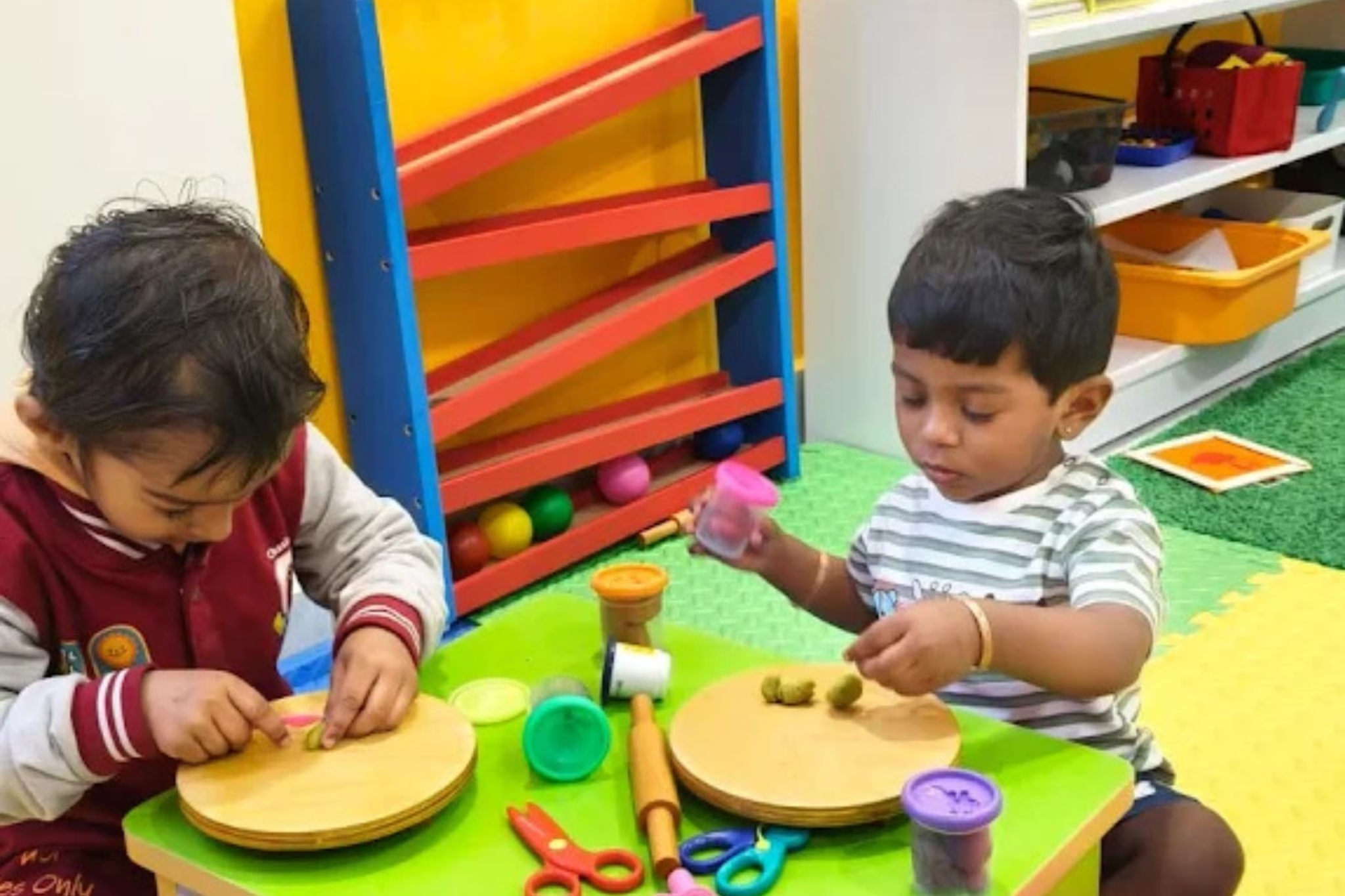
Happy preschool kids engaging in play-based learning in Bengaluru

In a city like Bengaluru, especially in areas like K Narayanpura, parents are now choosing preschools that focus on learning through play rather than rote memorization. Why? Because early childhood is not just about learning letters and numbers — it’s about shaping the whole child.

What is Play-Based Learning in Preschool?

Play-based learning is an approach where children learn through activities, games, and exploration instead of traditional teaching methods.

Instead of sitting and memorizing:
  • Children learn by doing
  • They explore, ask questions, and experiment
  • Learning becomes fun and meaningful
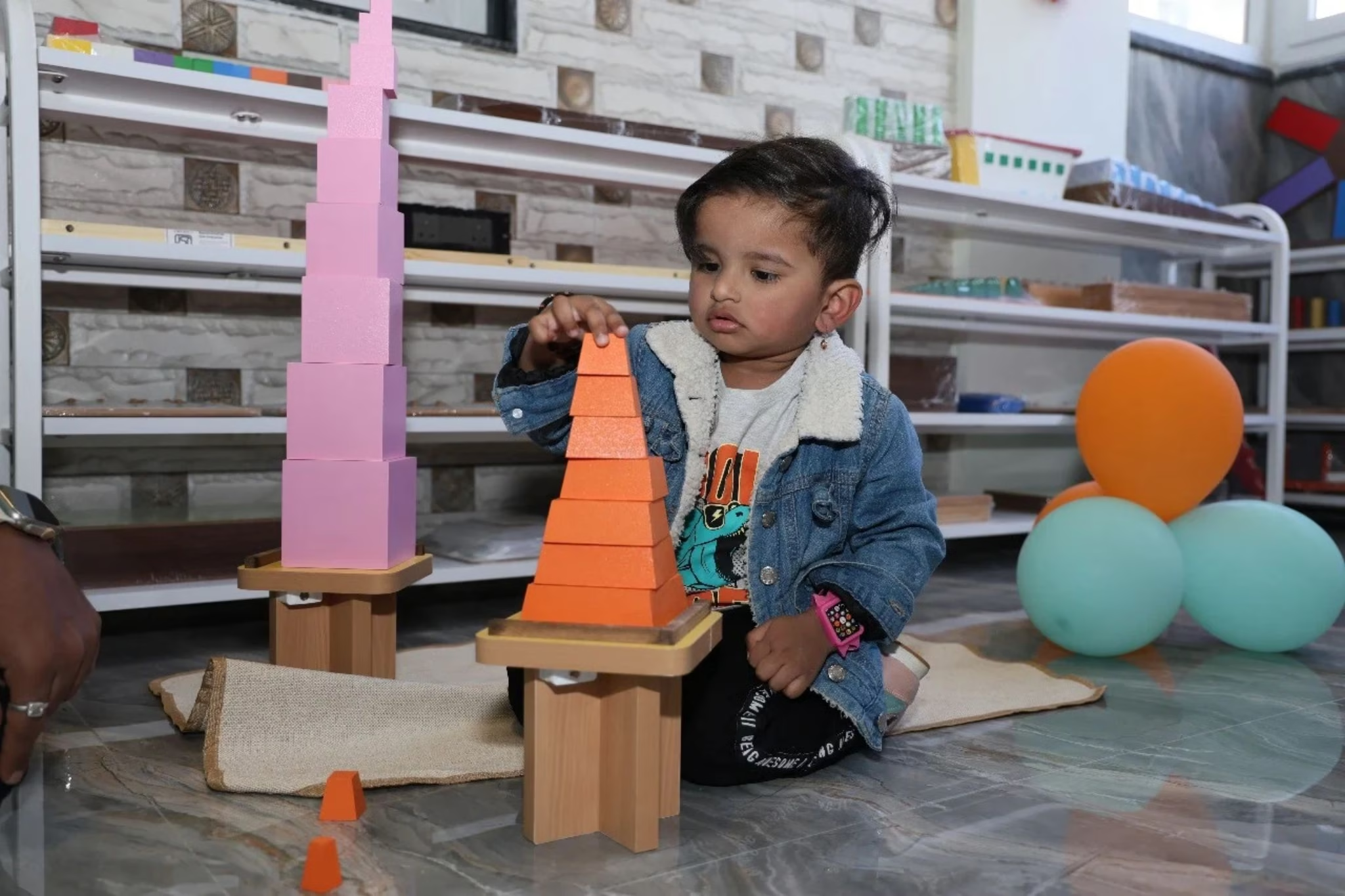
Children using building blocks for problem solving at preschool

For example:

  • Building blocks improve problem-solving
  • Role play builds communication skills
  • Art activities boost creativity

This method aligns perfectly with early childhood development, where curiosity is the strongest teacher.

Why Play-Based Learning Preschool is Important for Preschool Kids

A play-based learning preschool supports how young children naturally learn. At this age, kids are curious, energetic, and eager to explore the world around them.

Here’s why it matters:

  • Children learn faster when they enjoy the process
  • It reduces stress and pressure
  • It builds confidence from an early stage
  • It encourages independent thinking

Instead of forcing learning, it invites learning.

Key Benefits of Play-Based Learning

1. Creativity & Imagination

Children are naturally creative. Through play:

  • They create stories
  • They imagine scenarios
  • They express themselves freely

Activities like drawing, pretend play, and storytelling allow kids to think beyond limits.
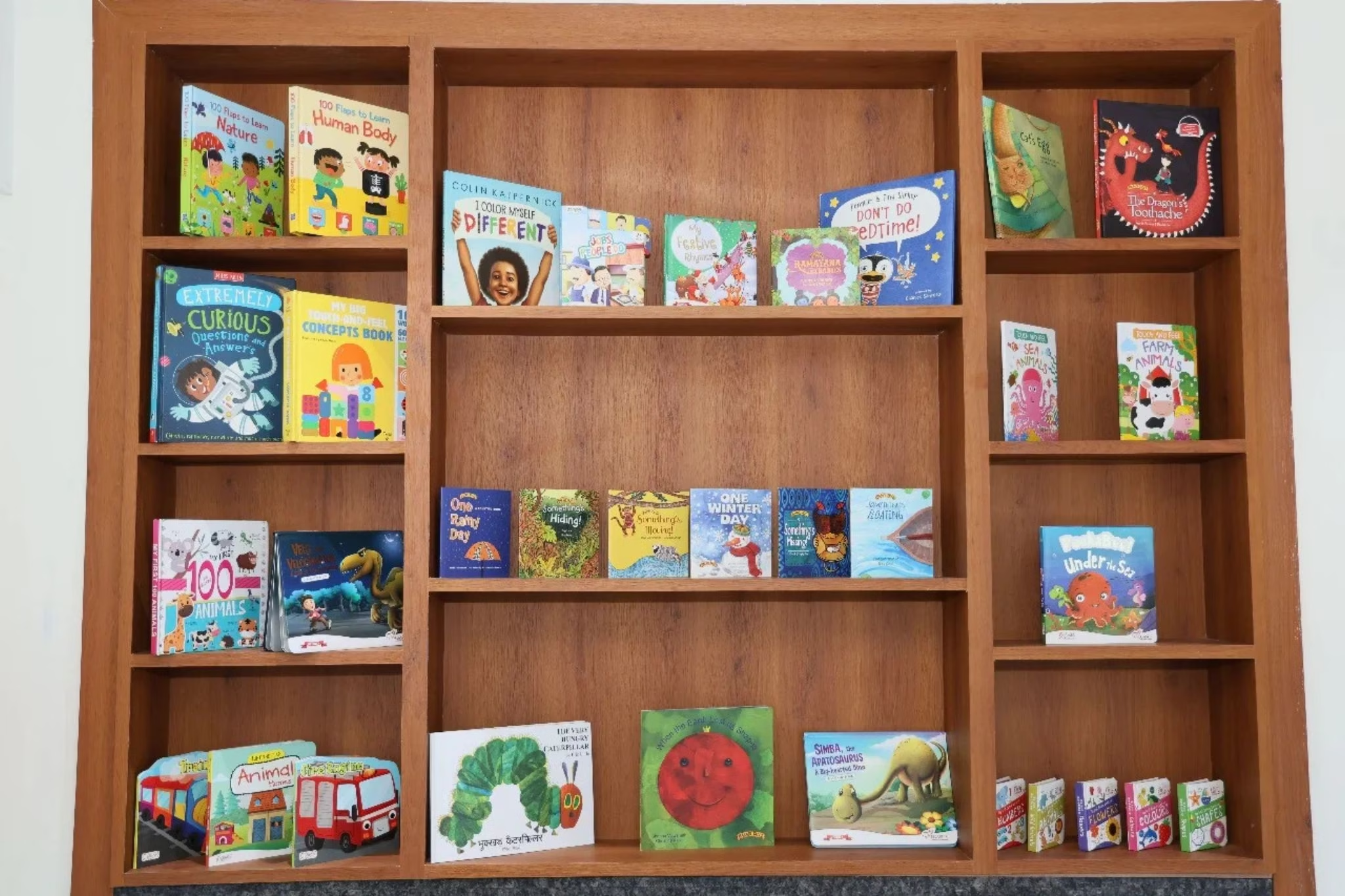
Creative art activities for preschool kids in K Narayanpura

2. Social Skills

One of the biggest benefits of preschool education is social interaction. Through group play, children learn:

  • Sharing
  • Taking turns
  • Teamwork
  • Communication

These skills are essential for school and life.

3. Cognitive Development

Play helps the brain grow. Examples:

  • Puzzle games improve problem-solving
  • Sorting activities build logical thinking
  • Memory games strengthen focus

This is how activity based learning for kids strengthens thinking abilities naturally.
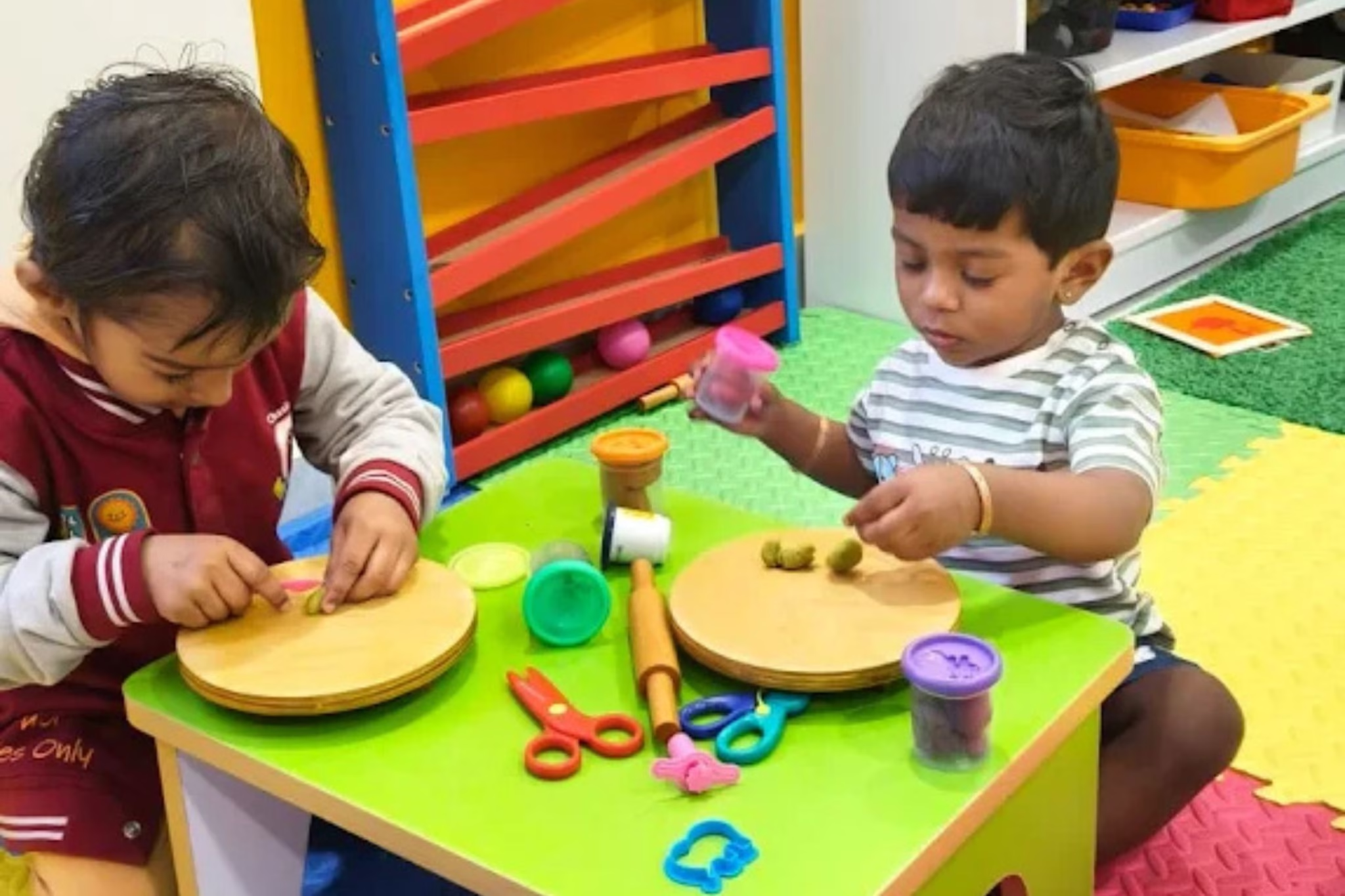
Activity based learning puzzle games for cognitive development

4. Emotional Confidence

Play-based learning allows children to:

  • Express emotions
  • Handle small challenges
  • Build self-confidence

When a child solves something on their own, it creates a strong sense of achievement.

Role of Teachers in Play-Based Learning

Teachers play a very important role in a play-based learning preschool. They are not just instructors — they are guides and observers.
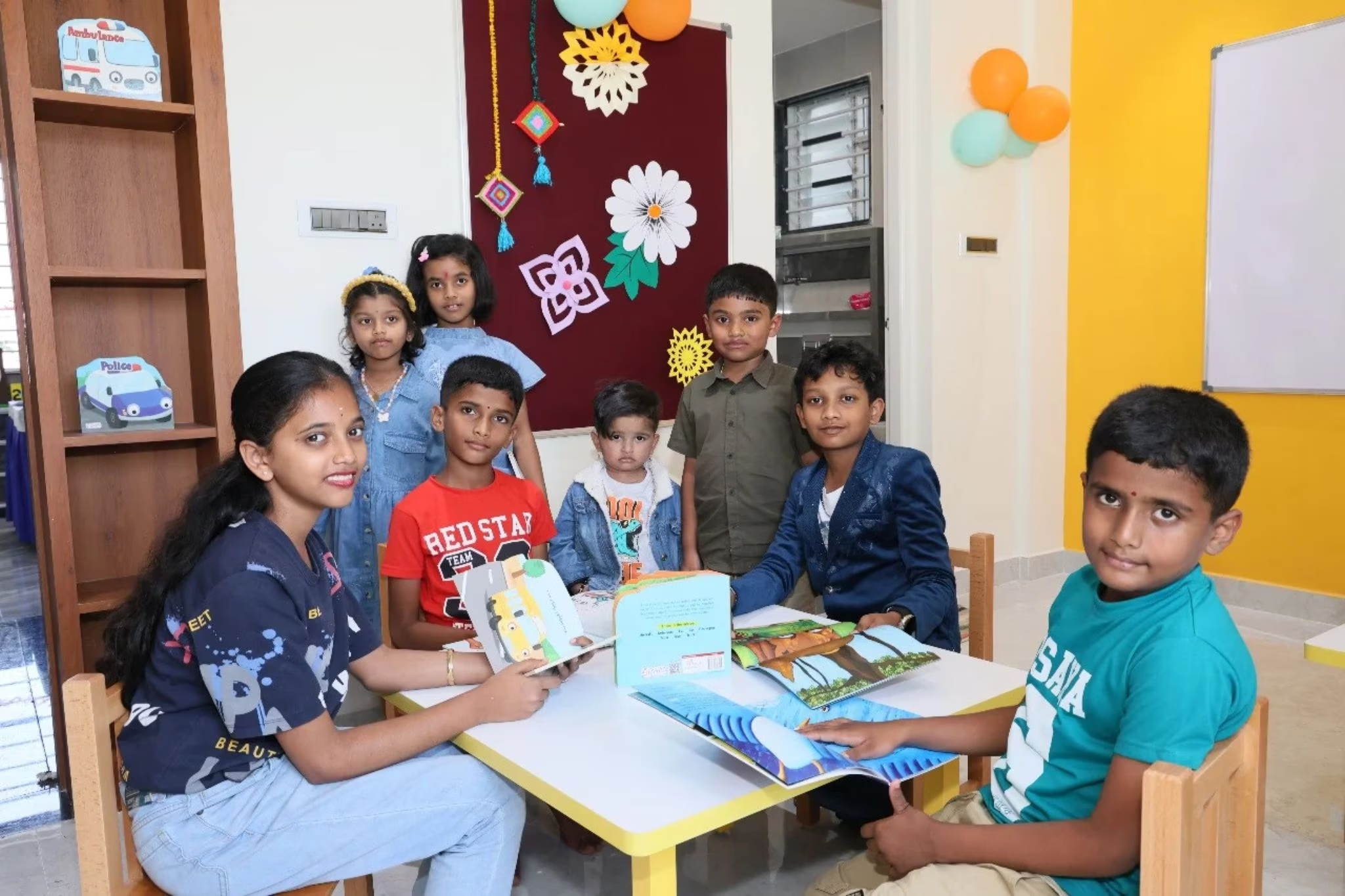
Preschool teacher guiding students during play-based learning

Good teachers:

  • Create a safe and engaging environment
  • Encourage curiosity
  • Support each child’s learning pace
  • Ask questions instead of giving answers

This approach helps children become independent learners.

Why Parents in Bengaluru Prefer Play-Based Preschools

In Bengaluru, especially in growing areas like K Narayanpura, parents are becoming more aware of modern education methods.

They prefer play-based preschools because:

  • It supports holistic development
  • It reduces academic pressure
  • It prepares children for future learning
  • It builds real-world skills

Parents today are not just looking for a school — they are looking for the right environment for their child’s growth.

How Cognikids Preschool & Daycare Implements Play-Based Learning

At Cognikids Preschool & Daycare, the focus is on creating a balanced and joyful learning experience. Children here learn through:
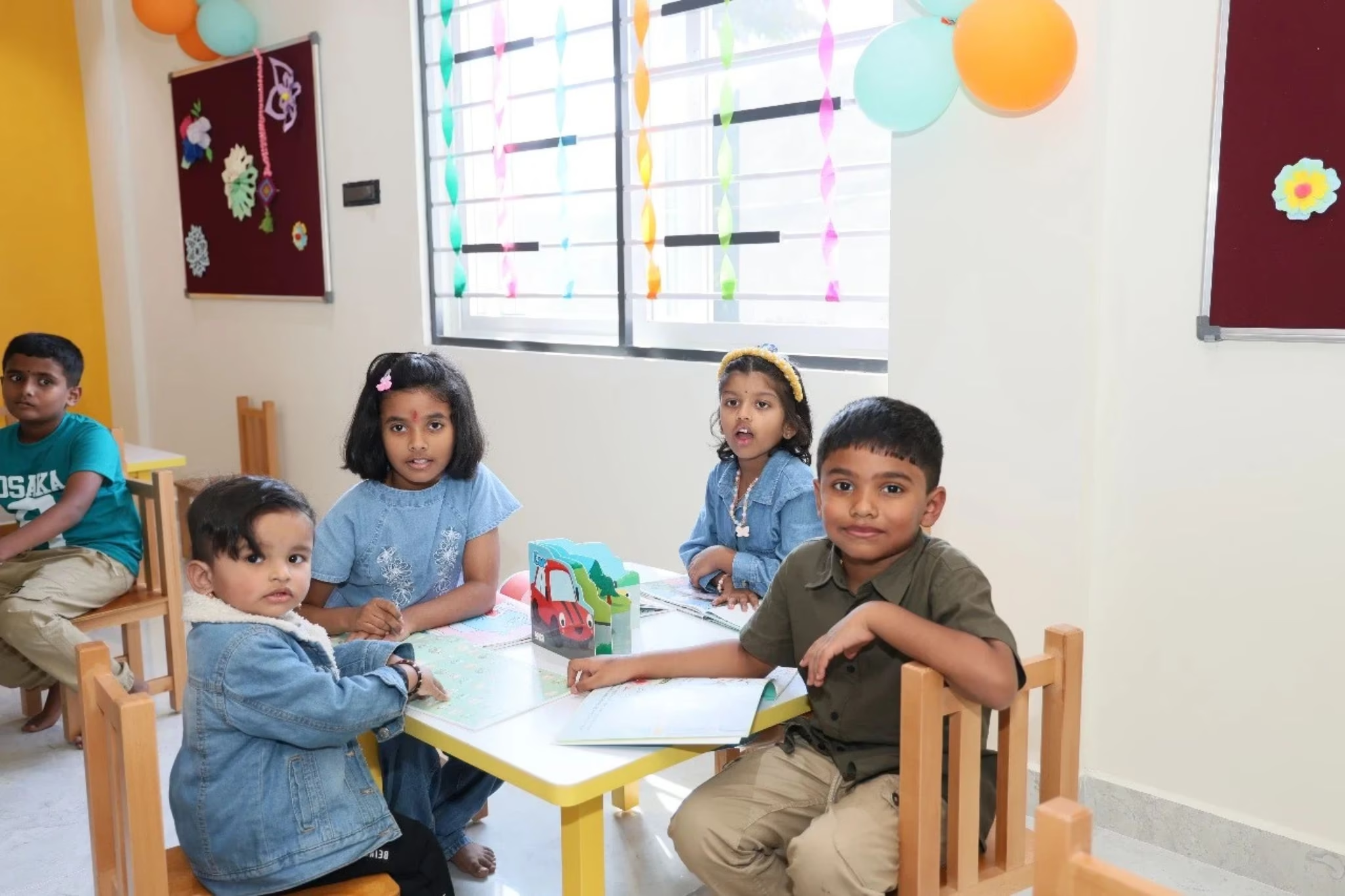
  • Structured play activities
  • Interactive storytelling
  • Hands-on learning experiences
  • Group and individual activities
Joyful and balanced learning experience at Cognikids Preschool

The environment is designed to make children feel safe, curious, and excited to learn every day. Located in K Narayanpura, Bengaluru, Cognikids blends modern teaching methods with a caring atmosphere.

Tips for Parents to Support Play-Based Learning at Home

You don’t need a classroom to support your child’s learning. You can do it at home too. Here are some simple ideas:
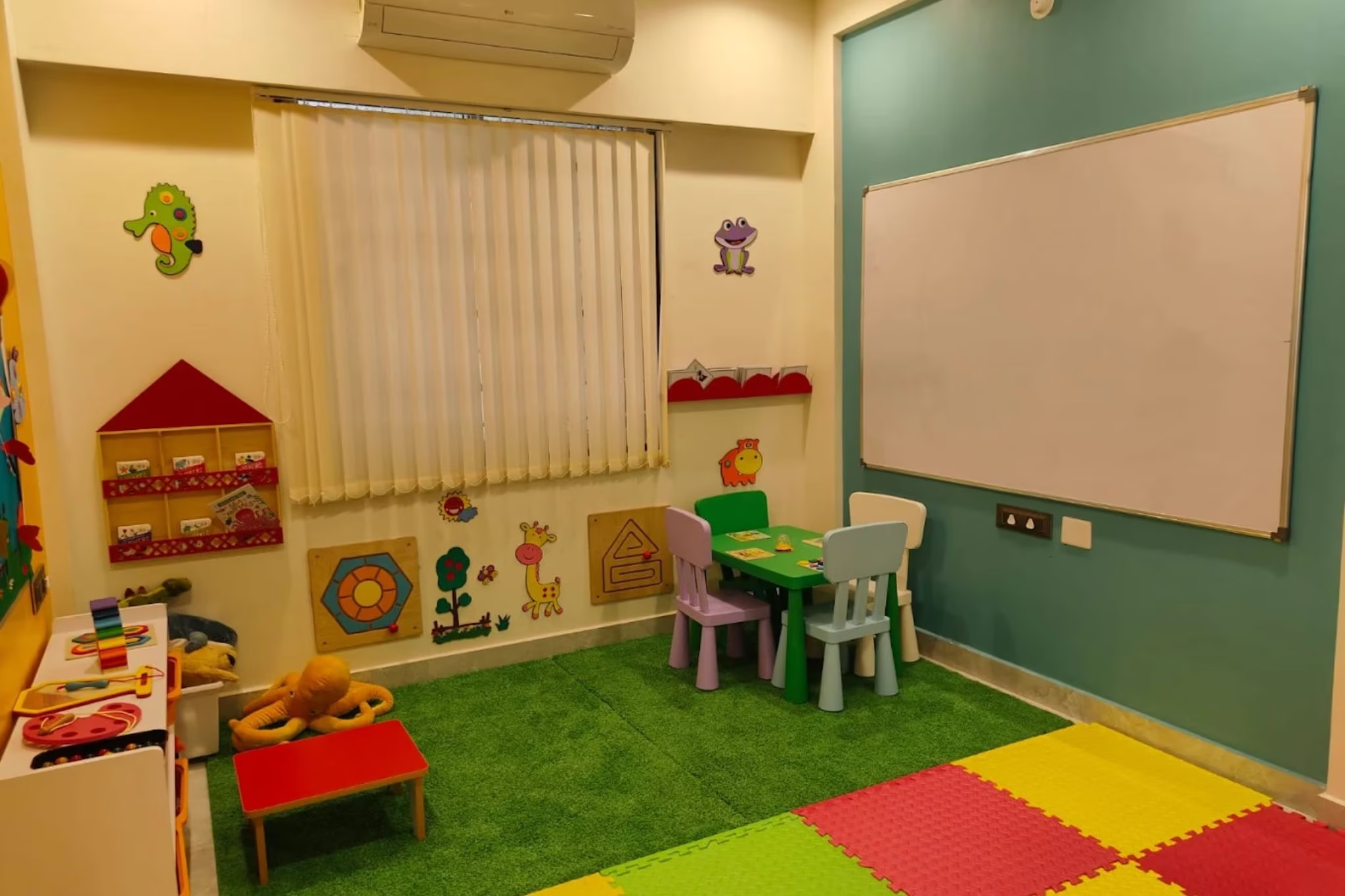
  • Encourage free play daily
  • Avoid too much screen time
  • Give toys that promote creativity (blocks, puzzles)
  • Let children explore and make mistakes
  • Read stories together
  • Ask open-ended questions
Parent and child engaging in play-based activities at home

Small actions can make a big difference in your child’s development.

FAQs

1. What is play-based learning in preschool?

It is a teaching method where children learn through play, activities, and exploration rather than traditional memorization.

2. Is play-based learning effective?

Yes, it improves creativity, social skills, and cognitive development in early childhood.

3. How does play-based learning help child development?

It supports emotional, social, and intellectual growth in a natural way.

4. Is play-based preschool better than traditional preschool?

For young children, play-based learning is often more effective because it matches how they naturally learn.

Conclusion

Choosing the right preschool is one of the most important decisions for any parent. A play-based learning preschool gives your child the freedom to explore, learn, and grow with confidence.

Instead of pressure, it offers joy. Instead of memorizing, it builds understanding. If you are looking for a nurturing and modern preschool environment:

Learning Outcome:

Ready to soar toward new horizons. In Bright Wings, children refine their literacy, numeracy, and critical thinking through inquiry-based projects and real-world connections. They learn to lead, reflect, and take responsibility, developing both intellectual confidence and emotional maturity. This stage ensures each child graduates from CogniKids as a curious, kind, and capable learner — fully prepared for the next step in school and in life.

Learning Outcome:

Confidence begins to take flight. The Butterflies program nurtures growing thinkers and communicators through structured learning, collaborative play, and problem-solving experiences. Children strengthen reading, writing, and logical reasoning while developing empathy, teamwork, and creativity. This stage builds a strong foundation for lifelong learning and joyful discovery.

Learning Outcome:

A time of exploration, wonder, and growth. In the Chrysalis stage, children begin to express ideas, ask questions, and explore the world through stories, art, and hands-on play. Language blossoms, creativity expands, and early numeracy and literacy skills start taking shape. This stage builds independence and imagination — preparing them to spread their wings.

Learning Outcome:

The beginning of a beautiful learning journey. In the Caterpillars program, toddlers take their first steps into a nurturing world of discovery. Through play, sensory activities, and social interaction, children develop early communication, emotional awareness, and independence. Every moment — from stacking blocks to singing rhymes — helps them build confidence and curiosity in a safe, loving environment.