Healthy eating habits formed in early childhood lay the foundation for lifelong wellness. For toddlers and preschoolers, food is not just about nutrition—it’s about growth, brain development, immunity, and even emotional regulation. As parents, caregivers, and early educators, our goal is to make healthy eating for kids simple, enjoyable, and consistent every day.
In this blog, we explore practical ways to build healthy eating habits for growing little ones—without stress, force, or food battles.
Why Healthy Eating Matters in Early Childhood
Between the ages of 2 and 6, children experience rapid physical and cognitive development. The right nutrition supports:
- Brain growth and concentration
- Strong bones and muscles
- Healthy digestion and immunity
- Better sleep and mood regulation
Poor eating habits at this stage—excess sugar, junk food, irregular meals—can lead to picky eating, low immunity, and lifestyle issues later in life.
Build a Balanced Plate (The Simple Way)
You don’t need complicated diet charts. A balanced child-friendly plate should include:
- Carbohydrates: Rice, roti, millets, oats – for energy
- Proteins: Dal, paneer, curd, eggs, sprouts – for growth
- Fruits & Vegetables: Seasonal, colorful, fresh – for vitamins and minerals
- Healthy Fats: Ghee, nuts (powdered), seeds – for brain development
Aim for variety across the week rather than perfection every day.
Establish a Daily Meal Routine
Children thrive on routine. Fixed meal and snack times help regulate hunger cues and prevent unnecessary snacking.
A simple daily structure:
- Breakfast
- Mid-morning fruit
- Lunch
- Evening snack
- Dinner
Avoid letting children “graze” all day, as it reduces appetite for proper meals.
Make Healthy Food Fun and Interactive
Presentation matters—especially for little ones!
Try:
- Colorful plates with different textures
- Fun shapes (stars, hearts, animals)
- Letting children help wash fruits or stir batter
- Naming meals creatively (“Power Roti”, “Rainbow Veggies”)
When children feel involved, they’re more likely to eat willingly.
Handle Picky Eating with Patience
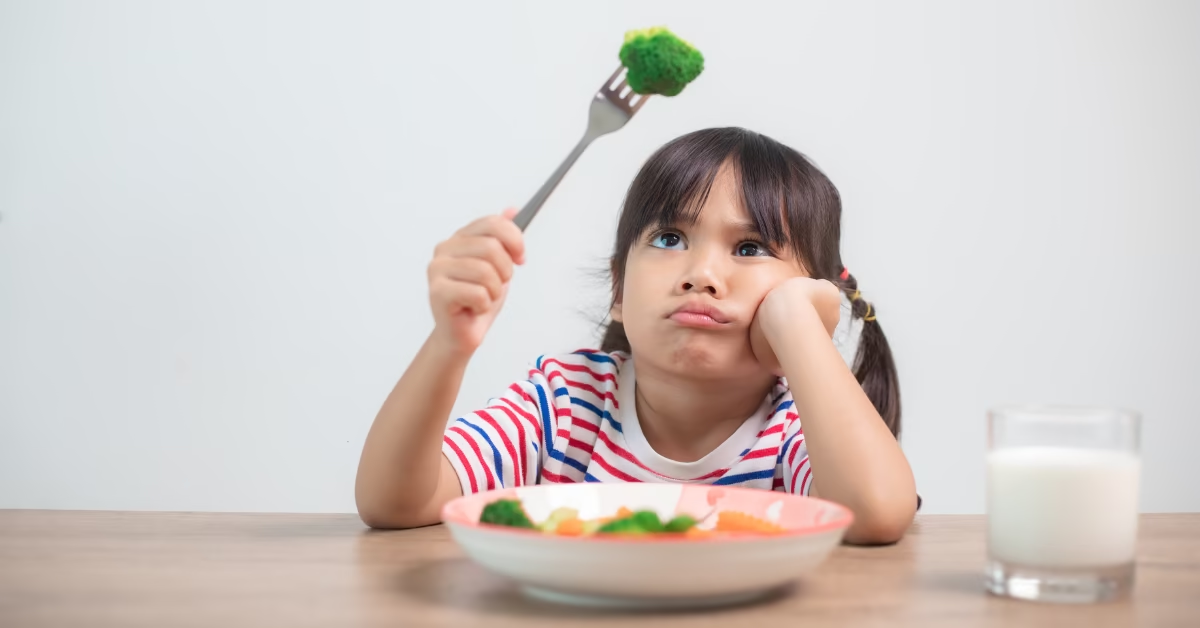
Picky eating is normal in preschool years. What’s important is how adults respond.
Do:
- Offer small portions
- Introduce new foods alongside familiar ones
- Eat the same food as your child (role modeling matters!)
Avoid:
- Forcing bites
- Using food as a reward or punishment
- Distractions like mobile phones during meals
Remember: It can take 8–10 exposures before a child accepts a new food.
Limit Sugar and Processed Foods
Excess sugar affects immunity, attention span, and dental health. While treats are okay occasionally, daily intake should be controlled.
Tips:
- Replace biscuits with fruits or homemade snacks
- Avoid sugary drinks and packaged juices
- Read labels carefully—even “kids foods” can hide sugar
Healthy habits at home reflect directly in a child’s food choices outside.
Hydration Is Nutrition Too
Water is often overlooked but is critical for digestion, energy, and focus.
Encourage:
- Regular water breaks
- Personal water bottles
- Coconut water or buttermilk (occasionally)
Avoid replacing thirst with milk or sweet drinks.
Healthy Eating at Preschool & Daycare
Parents today increasingly look for preschools that support healthy food habits for children. A good preschool or daycare should:
- Encourage nutritious snacks
- Avoid junk food celebrations
- Promote handwashing and hygiene
- Educate children about food through activities
This is why nutrition-friendly environments are becoming an important factor when parents search for the best preschool and daycare in Bangalore.
Final Thoughts
Healthy eating habits are built one meal at a time—through consistency, patience, and positive role modeling. Children don’t need perfect diets; they need supportive environments that encourage mindful eating every day.
When home and preschool work together, children develop a healthy relationship with food that lasts a lifetime.
🌱 Looking for a preschool that supports holistic growth—including nutrition, routines, and wellbeing?
Book a school tour at CogniKids Preschool & Daycare and experience an environment where healthy habits begin early.